
Introducing V2 of Thesis Driven’s Operator Database
A rebuilt website, live Signals tracking 10,000 firm-related articles daily, full API access, and direct integrations with HubSpot, Slack, and Attio
A rebuilt website, live Signals tracking 10,000 firm-related articles daily, full API access, and direct integrations with HubSpot, Slack, and Attio

Falling birth rates, shifting migration, and an aging population are already reshaping demand across real estate, faster than most of the market has priced in

A new model for capitalizing real estate operators from ex-Blackstone, Starwood, Goldman Sachs, and Dune investors

How low-key pursuits like reading and chess are booming as real-world social clubs—and changing how real estate gets used

Today’s Thesis Driven newsletter is written by Safi Aziz, founder of Joust, a play-first social club.
The way Americans socialize across most major metros is quietly changing. If the corner bar seems emptier on Saturday night, it may be because that same watering hole was packed earlier that week. Patrons weren’t dancing on tables or watching the game, but instead nodding along to a lecture by an astrophysicist. Or reading together in comfortable silence. Or maybe playing chess late into the night with a craft cocktail in hand.
Bars, hotels, and cafes are increasingly being taken over by social clubs that don’t reside in a fixed location. Instead, these “fourth spaces” meet in all sorts of properties for tactile, communal activities. It's a sea change in how millennials and Gen Z alike are building their social calendars and, in turn, how they engage with real estate.
Today’s letter will explore the fourth space movement by analyzing three companies that have scaled their event series to multiple markets and tens of thousands of guests. Using Lectures on Tap (presentations from experts), Reading Rhythms (reading parties), and Knightcap (chess nights) as case studies, we'll look into:
Let’s begin by introducing our three communities.
Knightcap Chess Club
Founded in 2023
Locations: Toronto, Miami, Austin, Chicago, Milan
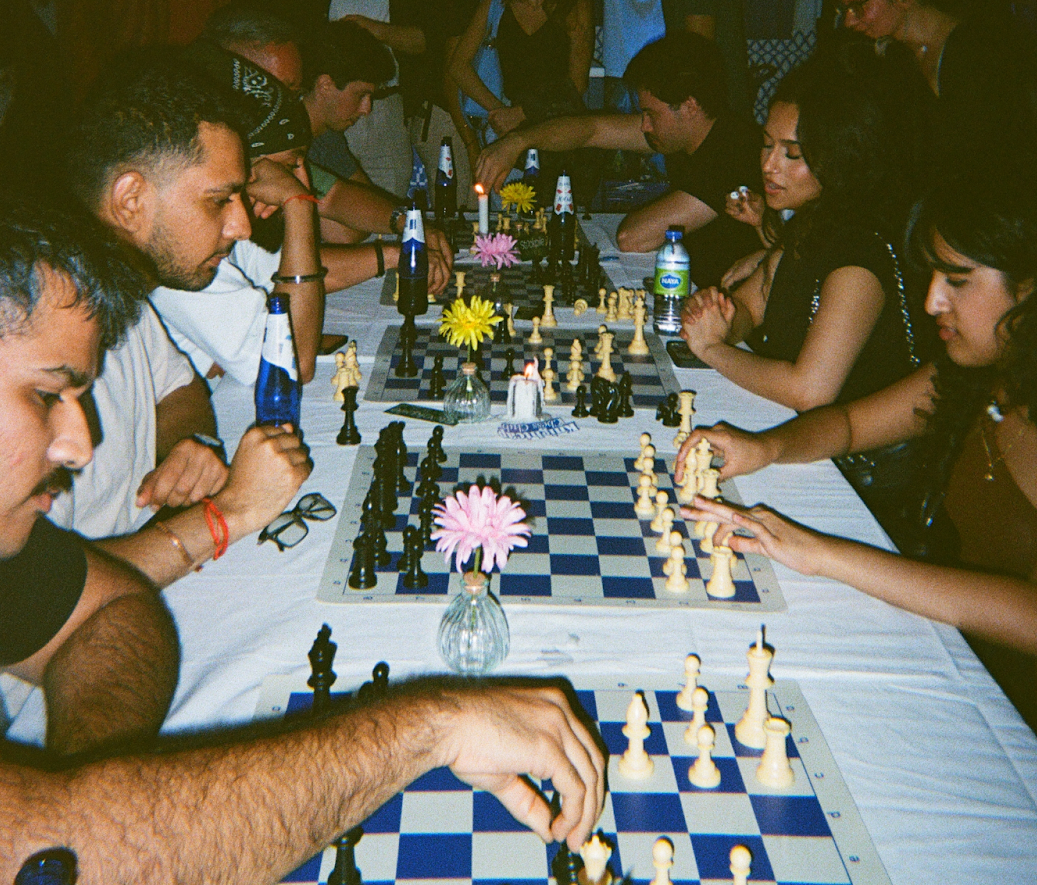
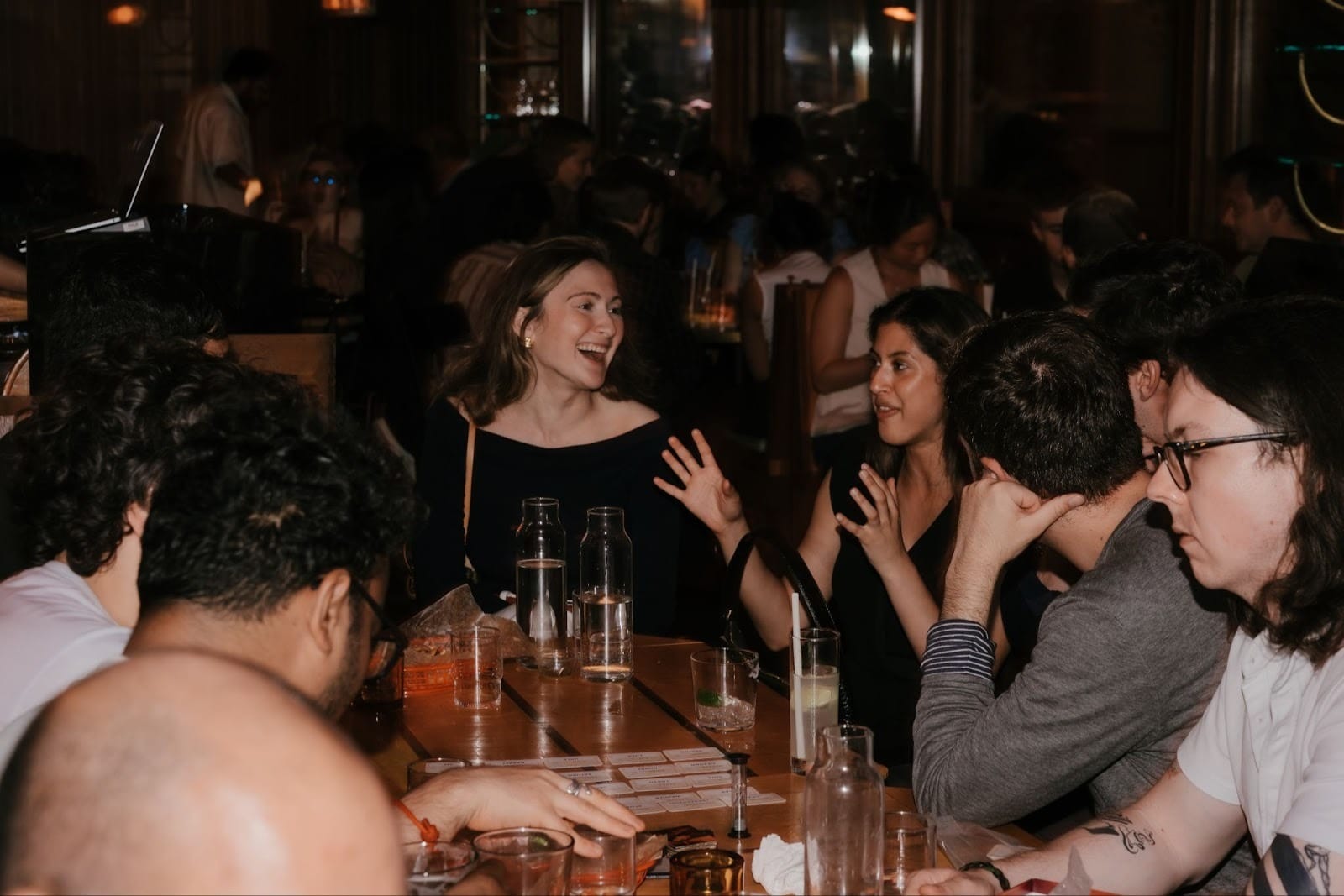
Having begun his career working in Michelin-starred restaurants, Taylor Harrison understands the finer touches of hospitality. This proved crucial to the success of Knightcap Chess Club, the chess event series tucked into social clubs, hotels, and restaurants across Toronto, Miami, Austin, Milan—and soon, Chicago. After seeing the growing interest in the sport following Netflix’s hit The Queen’s Gambit, Harrison reckoned that there had to be a way to combine hospitality and chess. He wanted to break the stigma that chess was nerdy, quiet, intimidating, or awkward.
From his first event tucked into a hotel in Toronto’s hip Annex neighborhood, “we eliminated all of that,” he says with certainty. The formula for Knightcap was born: find a beautiful venue, pay attention to the finer details, and create an atmosphere for the hippest people in the city to explore the rich game of chess.
Reading Rhythms
Founded in 2023
Locations: 24 cities, including NYC, NJ, LA, SF, Toronto
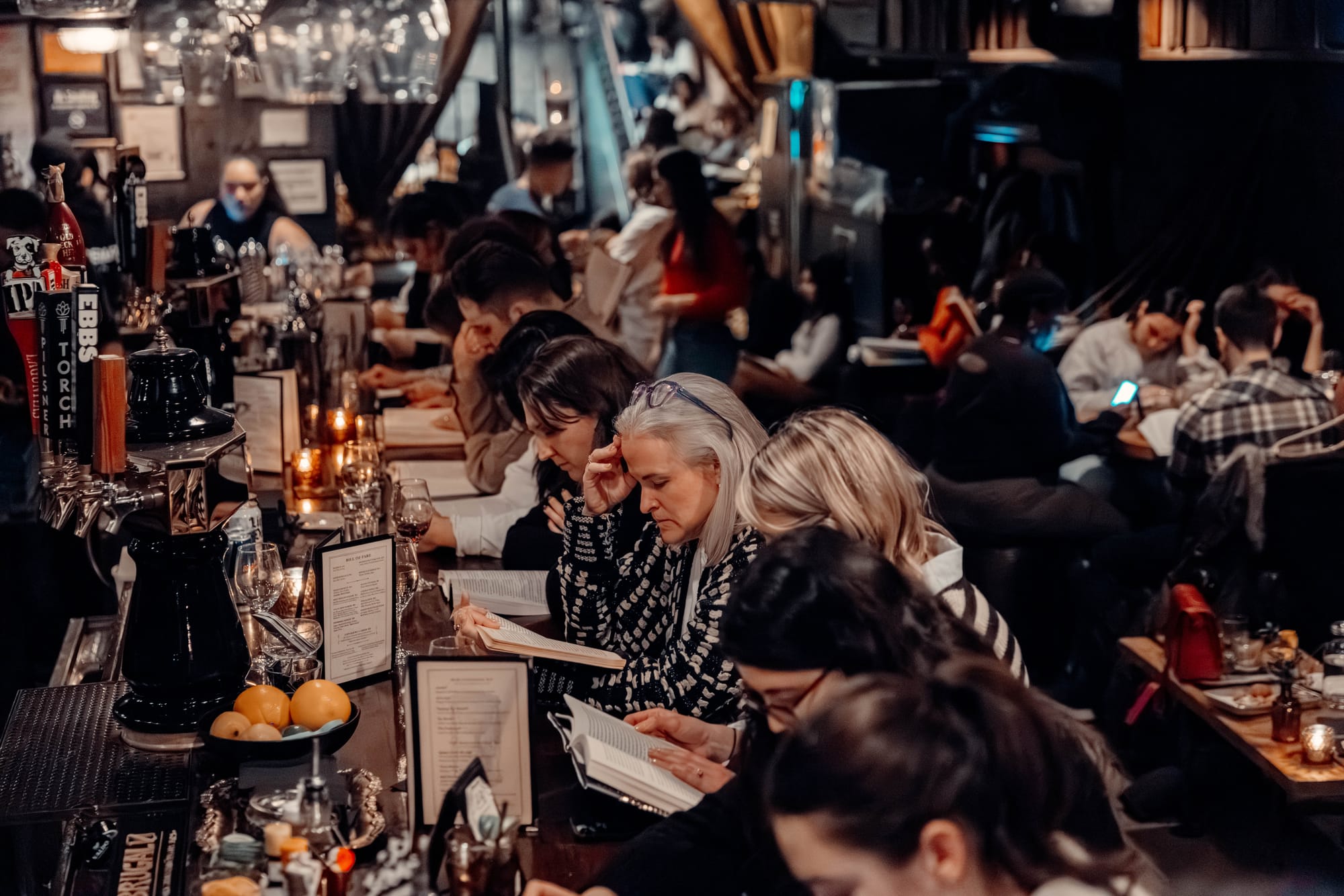
Three years ago, Reading Rhythms co-founder Ben Bradbury turned to his roommate, Tom Worcester, with alarm and said, “We’re not reading enough.” And they weren’t—largely because they packed all their free time with socializing. So they invented a way they could read while socializing.
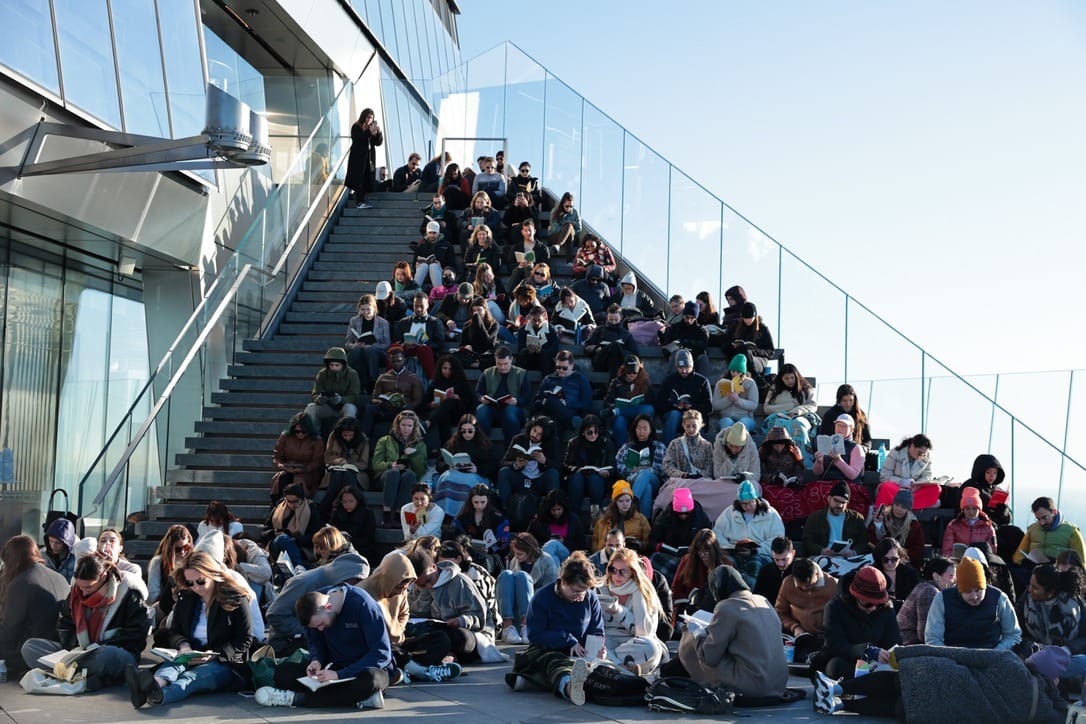
They invited a handful of friends to bring a book and read together on their apartment’s rooftop. They weren’t reading to each other or even reading the same book; they were simply in the company of others with soft music playing in the background. When an hour was up, they came back together to share what they read. And then… people left!
That single rooftop hang became the basis for what’s now scaled to more than 500 Reading Rhythms events in bars, cafes, and breweries across 24 cities, with over 50,000 tickets sold.
Lectures on Tap
Founded in 2024
Locations: NYC, Boston, Chicago, SF, LA
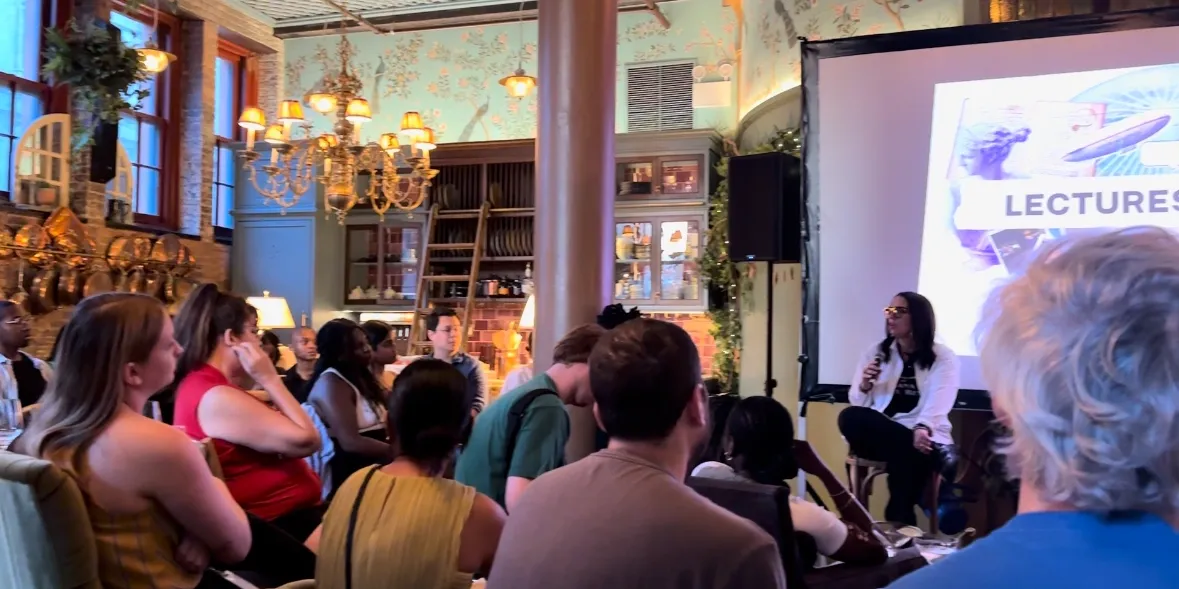
When Felecia and Tyrone Freely moved to NYC, they knew they had to get crafty about making friends. Tyrone was just settling into his time at Columbia when Felecia blew up his phone mid-class. Thinking something was wrong, he stepped out to see what was up. Instead of an emergency, it was an idea: hosting experts for lectures in bars.
Tyrone soon booked a Columbia neuroscientist to speak about “Your Brain on Movies” to a completely sold-out crowd. They haven’t looked back since. To date, they’ve hosted 30,000 attendees across all markets.
While each of these communities has a different focus, they all create a communal, hospitality-driven experience around what were previously semi-solitary activities. It’s an unexpected pairing of quiet, individual pursuits—chess, learning, reading—with social life. Felecia Freely summarized the draw of this combination: “We’re merging people’s interests,” she says. “There are all kinds of nerds out there: fashion to Game of Thrones. When you understand that a nerd just cares about their thing deeply… what if you could make it cool?”
Evolving Consumer Behavior
The internet has effectively eliminated the idea of “niche” interests. Regardless of where someone lives, it’s now easy to find a large, like-minded audience around almost any pastime. Previously solitary hobbies are now explored in public—and at scale. Fourth spaces take this a step further by turning shared interests into repeatable, place-based experiences. Anime, board games, cooking, art, and even flower arranging are now done communally. Some fourth spaces, like the ones we’ll discuss below, are building branded, professional event series, while others are more akin to casual meetups.
Eventbrite, which coined the fourth spaces term, emphasizes that these “gatherings transform online interests into meaningful real-world connections.” Demand is substantial: The company reports that a staggering 95% of respondents to a recent social study want to explore their online interests with others in real life.
“It reveals a pivotal moment in how young people build community,” says Eventbrite CEO Julia Hartz. “Digital passions are becoming catalysts for meaningful real-world connections and personal discoveries, happening on their own terms.”
Attendees find their tribe online and cement their relationships in person, which is why successful fourth spaces grow rapidly via social media:
This new cohort of social clubs reflects several converging consumer behaviors:
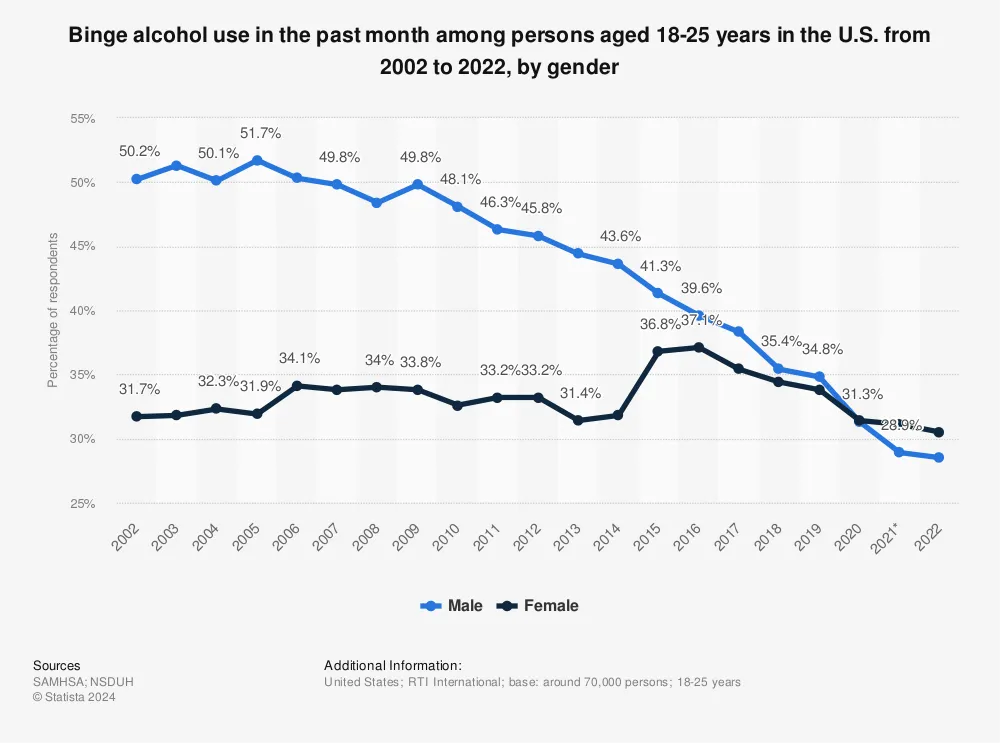
But the simplest reason for this movement may just be the near-universal desire for more friendships. And this new form of socializing seems to deliver: 84% of respondents to Eventbrite’s report say they have developed close relationships through these gatherings.
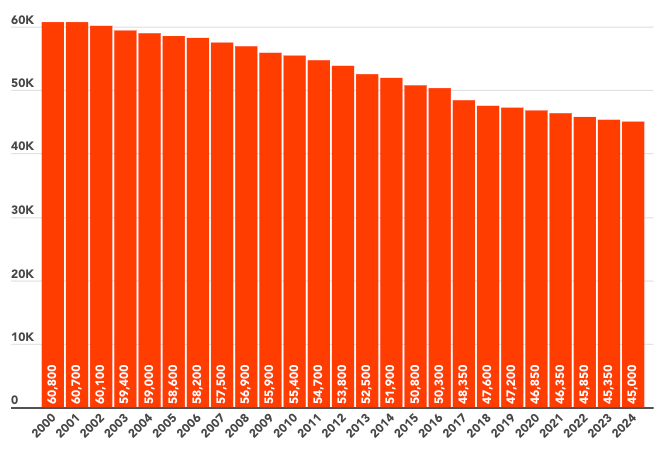
At the same time, venue economics are pushing owners to reconsider how their space is used. Bar, cafe, and restaurant operators are increasingly receptive to nontraditional takeovers as they look for new revenue streams. For some, it's a necessity. The latest statistics show that one pub in Great Britain closed every single day in 2025, a grim stat that is mirrored by other major metros globally.
Owners are getting wise to partnering with fourth spaces to expand their revenue per square foot.
At Joust, we have found hotels to be ideal venue partners. They run a professional, fully-staffed operation focused on aesthetics and service. In turn, they appreciate that we bring dozens of covers during times the bar and restaurants remain dormant. That matters at a time when food-and-beverage labor remains the fastest-growing cost line for operators.
The combination of both consumer and venue demand is creating the perfect environment for fourth spaces to expand. This trend is not without precedent. SoFar Sounds, the “secret concert” company, has been holding music-based gatherings in warehouses, hotels, and cafes since 2009. Daybreakers has been doing the same with early morning raves since 2013.
Now, let’s look into the business details behind this model.
Increasing Value per Square Foot
Space arbitrage refers to the concept that there are pockets of space everywhere that can generate additional value if utilized effectively. Spacious, which turned restaurants into coworking, proved this back in 2016. Airbnb demonstrated it with airbeds in living rooms back in 2007. Commissary kitchens did the same back in the 1960s.

These new social clubs leverage the same core idea by filling the back rooms of restaurants, flooding hotel lobbies, and utilizing coffee shops after hours for various forms of socialization. But instead of optimizing for productivity, they're doing so for community-building and repeat foot traffic.
In return, the venues agree to work with fourth spaces for three main reasons:
Monetary: By taking over venues on traditionally slow nights—usually Monday through Wednesday—they provide predictable income on evenings that would otherwise be quiet, and at volumes those venues wouldn’t typically see. As Harrison puts it, “On a night where they’re [usually] getting 15 covers, let’s get them 100.” And the impact often extends beyond the event itself. Lectures on Tap reports that its first venue partner saw sustained increases in overall sales after repeatedly hosting the series.
Awareness: These events bring in first-time customers from surrounding neighborhoods that often wouldn’t otherwise patronize that venue.
Marketing: In many cases, the venue partners aren’t doing it for the money at all. Instead, they want visible cultural relevance—“doing it for the ‘gram” [Instagram], as it were. “There’s an evergreen opportunity online,” notes Felecia Freely. “With concepts like ours there’s always the lingering possibility that the venue goes viral.” Given the sizable social media following these fourth spaces command, a single high-performing post, especially one with video, can materially benefit the venue.
But just because a space can be filled doesn’t mean it would be the right fit. There are specific requirements for being an attractive partner to these fourth spaces.
Venue Selection
These social clubs all excel in spaces with moderate seating capacity and control over lighting and sound. Most hotels, cafes, bars, and restaurants have the baseline necessities needed. Unsurprisingly, all of the groups also emphasize easy access, whether by foot, transit, or a short ride. Even in fourth spaces, it’s all about location.
Yet, they need to strike a balance between variety and consistency. Each wants to rotate through several venues to keep the consumer experience fresh. Says Harrison, “Switching up the scenery across multiple venues is key; we don’t want [a venue] to get too stale.” At the same time, all would rather focus on a small number of high-quality venues they return to and grow with versus constantly searching for new ones.
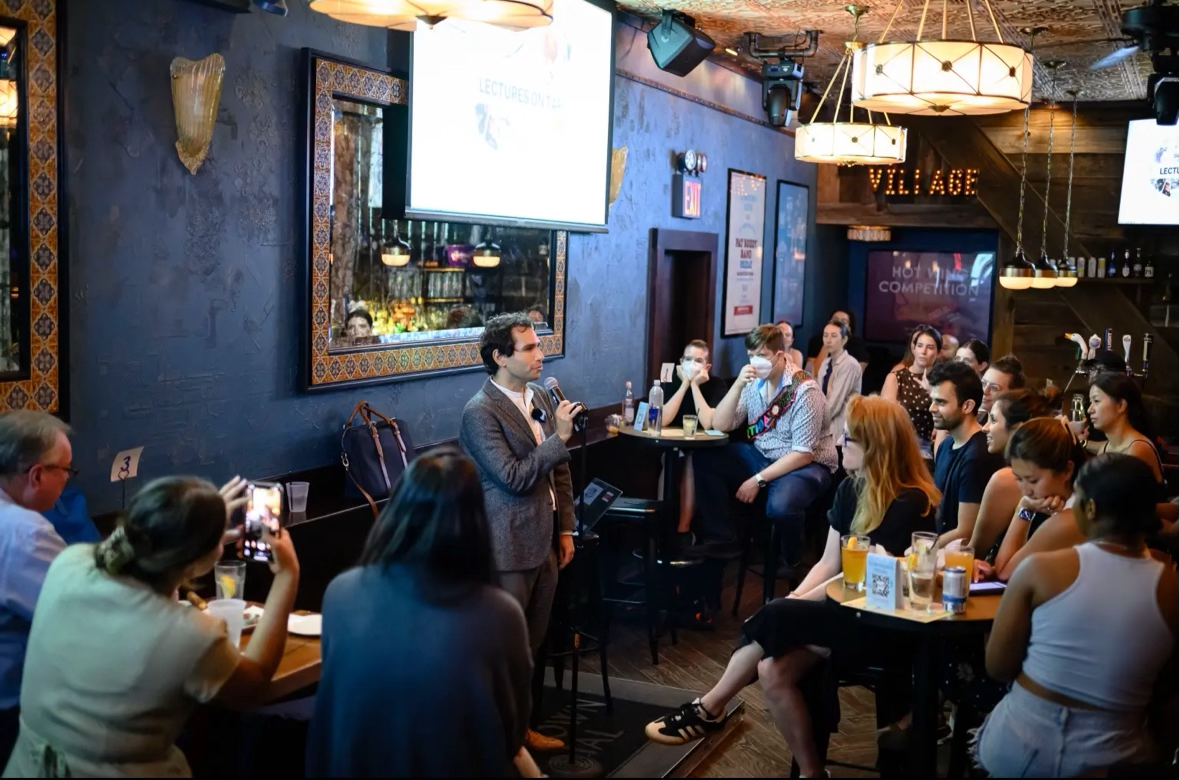
Specific needs change based on the provider. Knightcap's Harrison prefers what you’d expect from someone who worked in top-level dining establishments: “The lounge-type vibe. Different heights of seating and different cocktails.” Reading Rhythms prefers a cozier atmosphere with an emphasis on comfortable seating with back support. Lectures on Tap needs to use projectors at each of their location partners, which limits the number of venues they could consider.
Sometimes, a venue could be great on paper but unsuitable in practice. Bradbury from Reading Rhythms specifically calls out that the staff needs to be friendly and that management is “easy to work with.”
Partnership Model
There’s no single playbook for how these groups partner with venues. The general arrangement is that the venue offers up the space at low or no cost. In exchange, the operator brings in a crowd en masse, usually during an off day or off-hours. Some arrangements mandate a complete separation between the operator’s revenue, usually in the form of ticket sales, and the venue’s F&B sales. However, a revenue split is also common.
Interestingly, Knightcap doesn’t charge its guests at all. Instead, they get paid a flat fee from the venue to fill up their space. In Lectures on Tap’s case, they sometimes pay a bar minimum or rental fee to ensure that the venue meets their specifications.
Which Cities Work
The groups featured here were chosen for their ability to scale across multiple cities—and even across countries—pointing to deep demand for this kind of live, interest-driven gathering across a wide range of metros. Anywhere with a critical mass of young, curious, social residents and a competitive hospitality market becomes a plausible candidate for expansion.
How they decide where to go next varies, however.
Reading Rhythms and Lectures on Tap take a data-driven approach. Their social media and email signups reveal where they are in demand. For example, Lectures on Tap had a whopping 30,000 inbound requests dictate their initial city launches. Knightcap, in contrast, expands when a local host raises their hand and volunteers to open that market. This was the case when they opened in Milan.
Once in-market, the format has to adapt to local behavior. In Austin, Knightcap adjusted start and end times to account for a more car-dependent audience. In Miami, the team found that spending on valet parking could meaningfully affect bar sales. Across markets, scale depends less on a fixed playbook than on giving local teams room to make practical, market-specific adjustments.
Fourth spaces are creating novel and sustainable connections between neighbors and local businesses, spreading foot traffic and spending more evenly across the week. For owners, partnering with fourth space operators provides a flexible, low-risk way to fill off-peak hours. Instead of managing placemaking internally, they can leverage these groups’ built-in audiences to activate new neighborhoods or drive incremental revenue.
And in a challenging business environment, differentiated and unique experiences are becoming a primary competitive lever.
As Chase Garbarino, founder of real estate experience platform HqO, put it in a recent social post, “Demand no longer follows space. It follows experience. If you're still competing primarily on space, you are pricing a commodity. If you're designing experiences, you're building a relationship with the tenant.”
Covering the future of real estate and the people creating it