
The Thesis Driven Innovation 100, 2026 | #51-100
Meet the 100 people shaping the future of the built world
Meet the 100 people shaping the future of the built world

A 90-minute tactical workshop for real estate professionals and vendors who want to get the most out of conferences
After years of false starts and regulatory confusion, a few serious projects are pointing toward what this technology can actually deliver for real estate

From all-electric skyscrapers to floating offices and carbon-neutral urban development, these firms are redefining the future of the built world


Innovation in real estate is a broad concept, one that resists easy definition. It's often used these days as shorthand for technological ingenuity and novelty, but true innovation can take many other forms. It can mean addressing an underserved market; it can be about sustainable practices; it can reflect a new philosophy of what an asset type is, or how it can be repurposed. It can be about the fundamental ideas that change how buildings, neighborhoods, or entire categories of real estate function.
Or it can be about a cool building that floats on a river in the middle of Rotterdam—that works too.
So we set out to develop a list of the world’s most innovative developers in collaboration with Bloxspring, the communications agency focused on the built world. It was no easy task. We started with a couple of assumptions: first, such a list is completely subjective, so if your favorite developer, employer, or company you founded has been left off this list, our apologies in advance. Second, we chose to present the list in alphabetical, as opposed to ranked, order. Some headaches and arguments just aren’t worth having.
Let us know who you think is missing—and why. This isn’t a one-and-done exercise: our plan is to revisit this list with Bloxspring on an annual basis, so consider this the first edition, and start nominating the developers you think deserve to appear here in 2027.
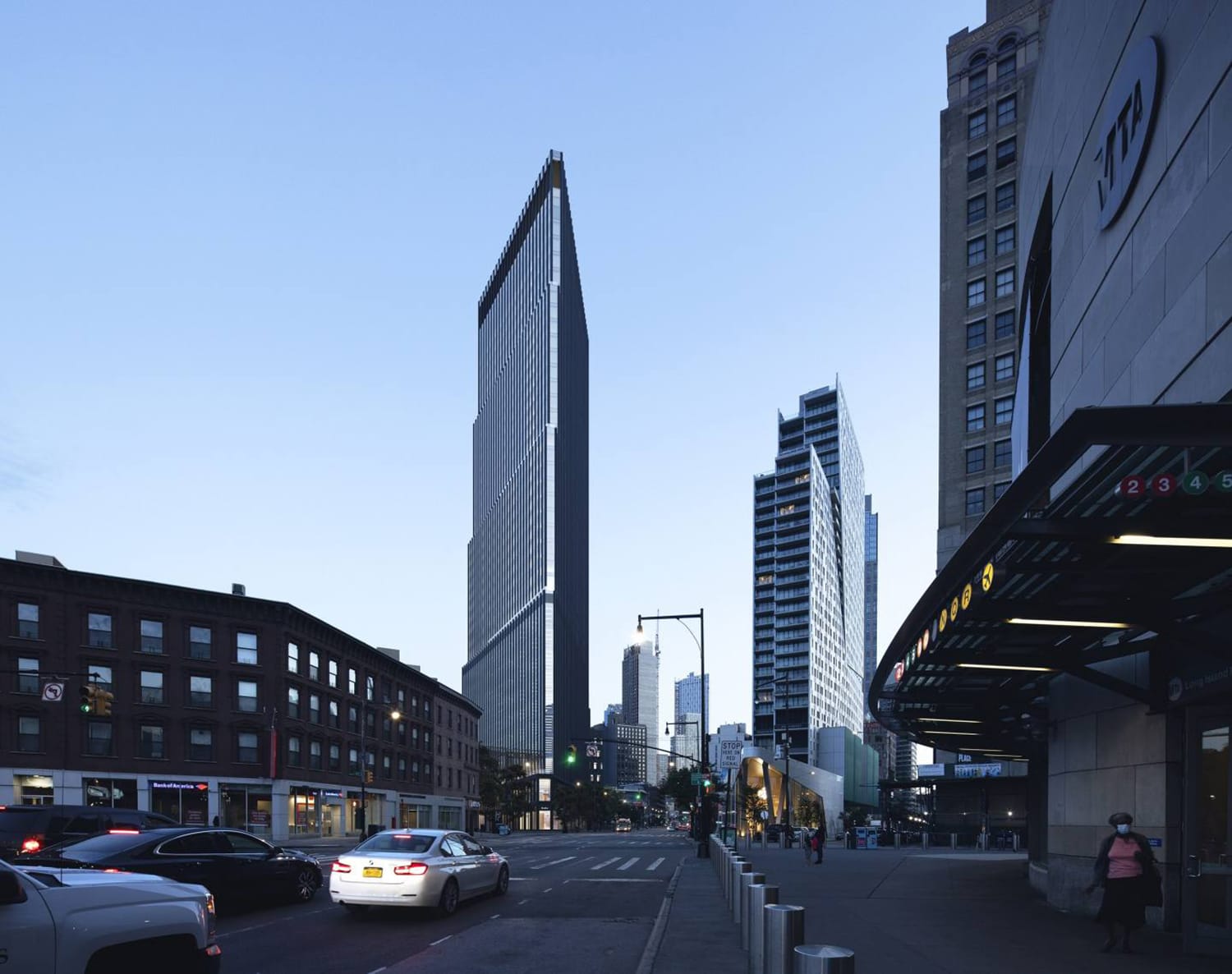
In a city dominated by glass towers, Brooklyn-based Alloy Development is the architect-developer that prioritizes design integrity over cookie-cutter efficiency. They’re perhaps most famous for 100 Flatbush—New York City’s first all-electric building. The striking, mixed-use 44-story tower employs electric boilers, induction cooking, and a high-efficiency building envelope with triple-glazed windows to reduce energy demand. It is designed to run on an increasingly cleaner electrical grid, with efforts to source 100% local renewable energy.
Moreover, unlike most developers who outsource design, Alloy keeps it all in-house, resulting in projects that feel like pieces of art rather than commodities. They’re the pioneers of the Passive House movement at a skyscraper scale, proving that high-density urban living can be both aesthetically astute and environmentally radical.
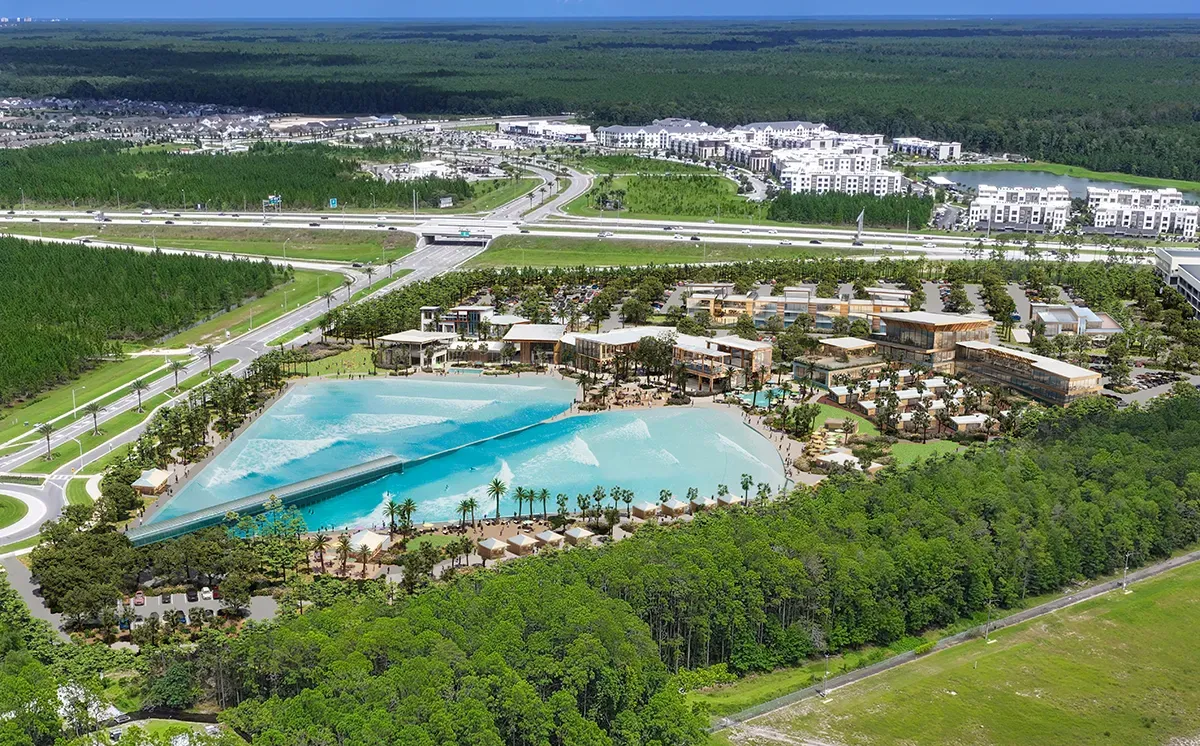
Over the past 10 years, advances in wave pool technology have transformed surf parks from curiosities into one of the most exciting sectors of leisure-anchored real estate. While surfing has long been popular—and aspirational—a lack of quality surfing locations and a steep learning curve have hamstrung the sport’s growth. Surf parks aim to change that, democratizing the sport while creating on-site opportunities for hospitality, retail, branded residences, and more. Think ski resorts, but around a very large wave pool.
Thesis Driven wrote about this emerging sector last year; Aventuur is becoming one of the top companies in the space. They certainly aren’t the only firm tackling the surf park trend, but they're perhaps the most ambitious, with surf park projects underway in Perth, Auckland, Jacksonville, Dallas, Austin, and Las Vegas.
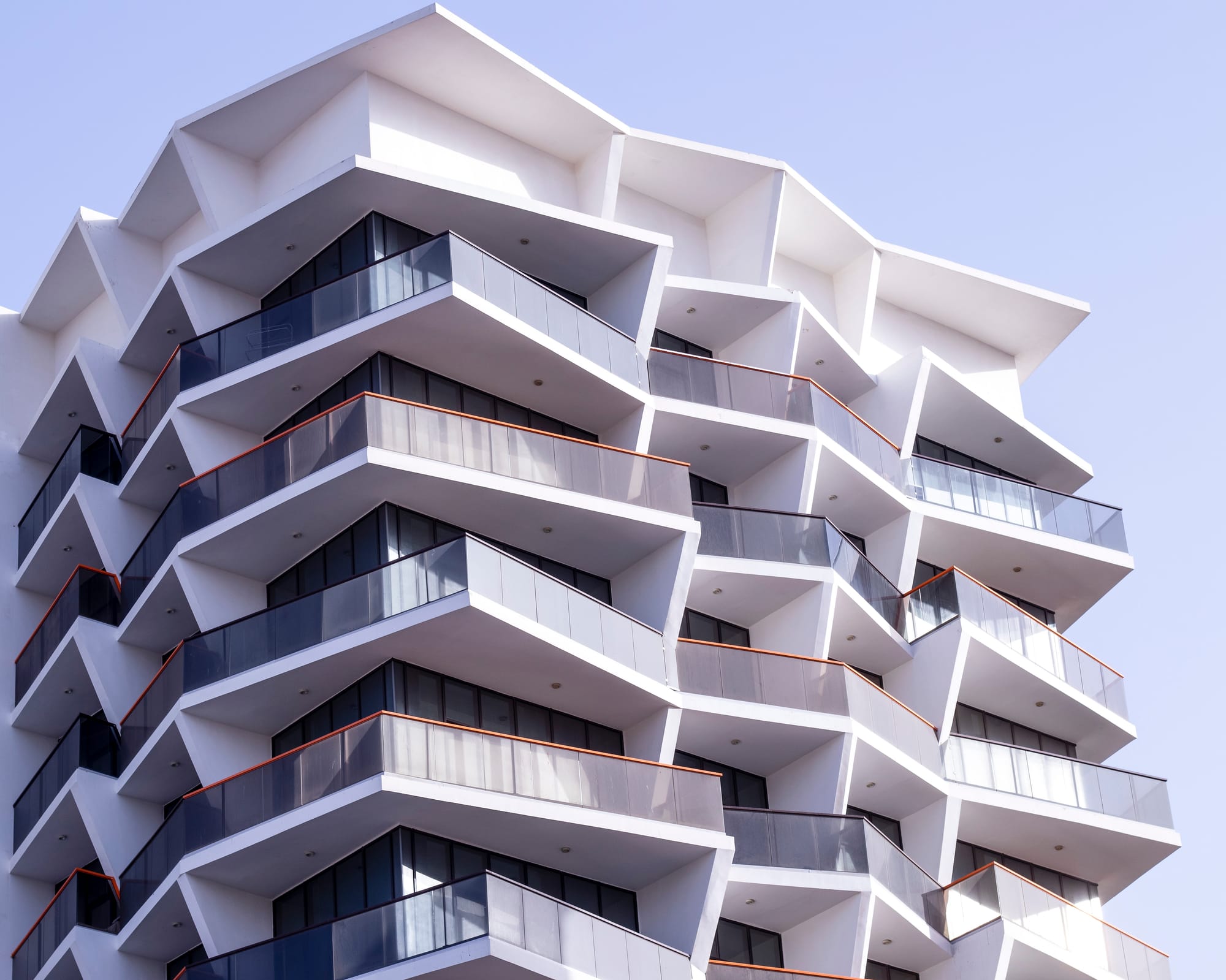
It’s fair to say Dubai’s real estate market is defined by “bigger is better.” But Binghatti has gone one better and carved out a niche through hyper-tower collaborations with luxury brands, such as Bugatti and Mercedes-Benz, blending a high-fashion approach to building design with cutting-edge sustainable design practices.
Their idiomatic design style is unmistakable—bold, aggressive geometries and interwoven balconies serve as signature motifs for the brand—while passive cooling technology ensures as much as 20–30% savings in energy usage. Binghatti has now doubled down on the "branded residence" concept, proving there is a massive appetite for advanced vertical living with a luxury co-sign. And, besides, saying Bugatti by Binghatti is just good fun.
As a division of one of the world’s largest alternative asset managers, Brookfield Properties has the unique ability to reimagine entire urban districts through sheer capital force. They are the masters of the mixed-use mega-project, exemplified by Manhattan West in New York City and Canary Wharf in London.
Brookfield’s innovation is their vertical integration; they own the power companies that provide the electricity, the construction firms that build the towers, and the capital that funds the deal. This allows them to take on 20-year master plans that transform urban dead zones into vibrant, high-traffic neighborhoods.
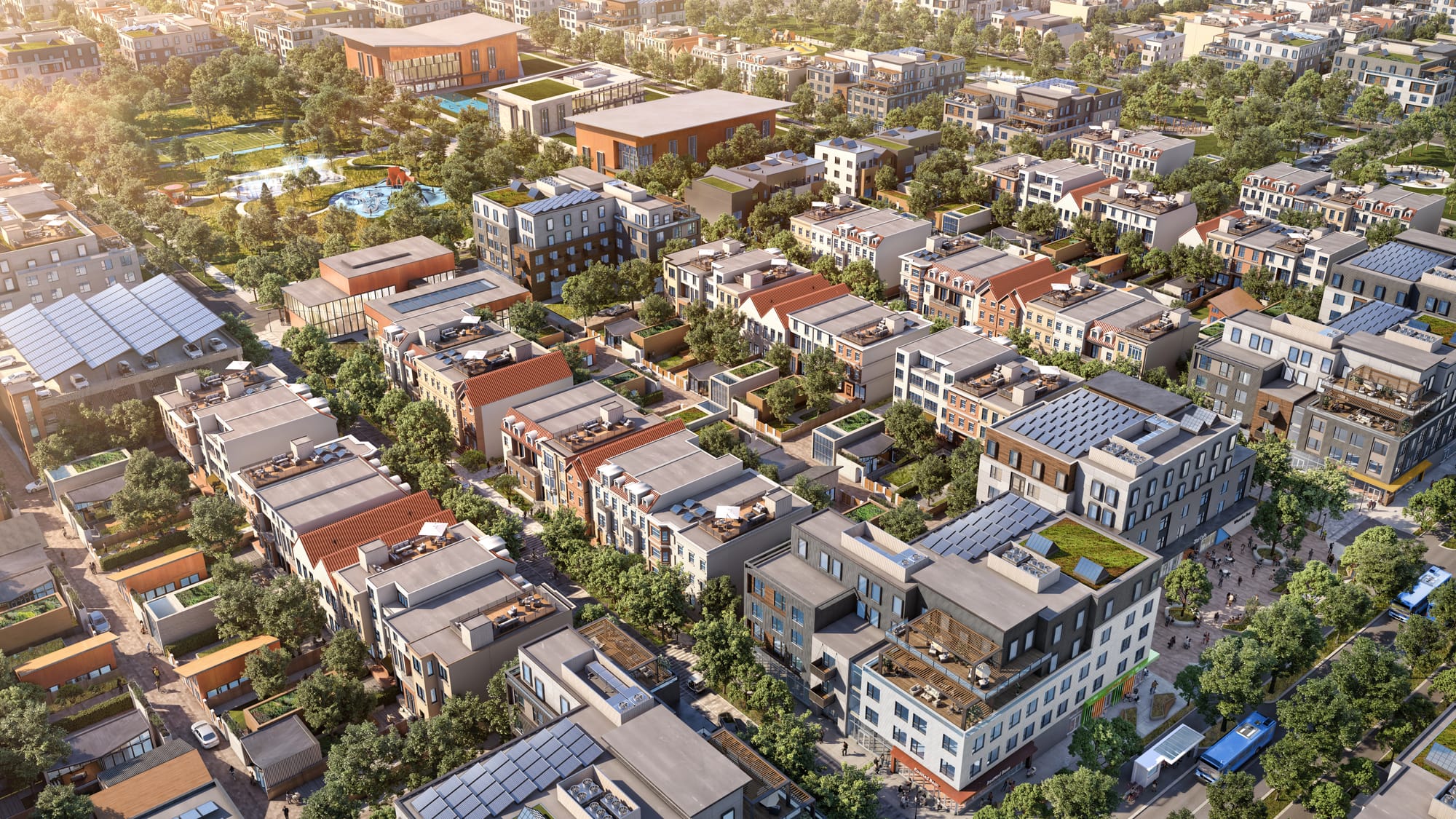
Unlike the other developers listed here, California Forever has yet to pour a foundation or lay a brick. But the firm’s ambition—to build an entirely new city for up to 400,000 people in Solano County, 60 miles from San Francisco—warrants its inclusion. And they’ve made it remarkably far, gaining control of more than 50,000 acres with backing from some of Silicon Valley’s top names.
While founder Jan Sramek and team decided against winning approval through a county referendum, California Forever’s latest efforts to get their land annexed by nearby Suisun City appear to be gaining traction.
Headquartered in Singapore, CapitaLand is evolving from a traditional landlord into a high-tech urban operator. With an Intelligent Building Platform (IPB) acting as its brain center, CapitaLand has lifted asset management out of silos and into the cloud. IoT-driven architecture unifies energy, security, and maintenance data across over 260 cities, with their flagship smart projects serving as living laboratories for tenants.
The firm’s real ingenuity lies in its commitment to the digital twin model and its Smart Urban Co-Innovation Lab, where they partner with tech giants like Microsoft and Amazon to co-develop proptech solutions. Through their CapitaStar@Work app, they have successfully "SaaS-ified" the tenant experience, allowing users to control their office environment, book amenities, and even order food through a single interface.
Arizona is not a state most of us associate with car-free living. But Culdesac, a development company backed by investors including Khosla and Founders Fund, has built more than 700 units in Tempe with zero resident parking, relying instead on light rail, bikes, and a robust car-share program.
While there’s no technology angle here—despite the company’s venture backers—Culdesac deserves kudos for pushing the limits of car-free design, particularly as autonomous vehicles are likely to play a growing role in the built world in the coming decade. Culdesac has additional projects underway in Mesa, Arizona, and Atlanta, Georgia.
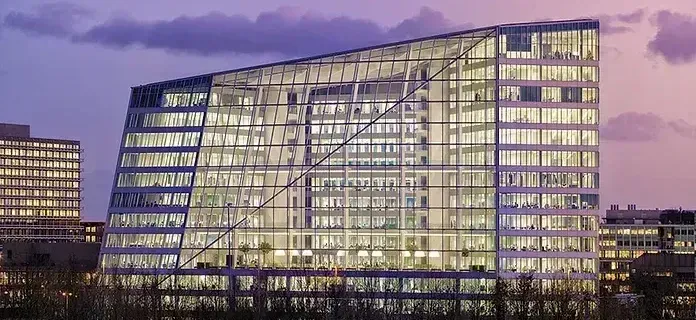
Born out of the Dutch developer OVG Real Estate, Edge Technologies is essentially a tech company that happens to build offices. They gained global fame with "The Edge" in Amsterdam—once dubbed the smartest building in the world—and have since made "sensor-integrated development" their entire identity.
Every Edge building is a data-gathering machine, using thousands of sensors to optimize lighting, temperature, and desk occupancy in real-time. They pitch more to tenants than just square footage, too, promising increased employee wellbeing and enhanced productivity. It’s possible that’s why they've become the preferred developer for tech giants looking to express their digital DNA in a worldly form.
Greystar has done for the rental apartment what Hilton did for hotels: created a global, standardized, institutional-grade product. As the largest operator of apartments in the United States, their innovation isn't in a single building, but in the "institutionalization" of the multifamily rental asset class.
They’ve pioneered sustainable purpose-built student accommodation (PBSA) and senior living sectors globally, exporting the American multifamily model to markets like London, Madrid, and Tokyo. For Greystar, the building is a platform for a managed service, focusing on the "lifetime value" of a renter from their college years through retirement.
While the world worries about the future of the office, French developer Icade is betting on building the "City of 2050” by making the office of the future a service. As a subsidiary of the Caisse des Dépôts, Icade has used its resources to establish a particularly unique vantage point on French urbanism, specializing in massive business parks and healthcare facilities.
Recently, their "Building the City of 2050" initiative has been lauded for being more than just a white paper, but a development philosophy that focuses on low-carbon, circularity, and reversibility. Their focus is on building structures that can easily transition from office to residential use as market demands shift. Icade is also currently the leading developer of healthcare real estate in Europe, identifying a demographic tailwind that some commercial developers have overlooked.
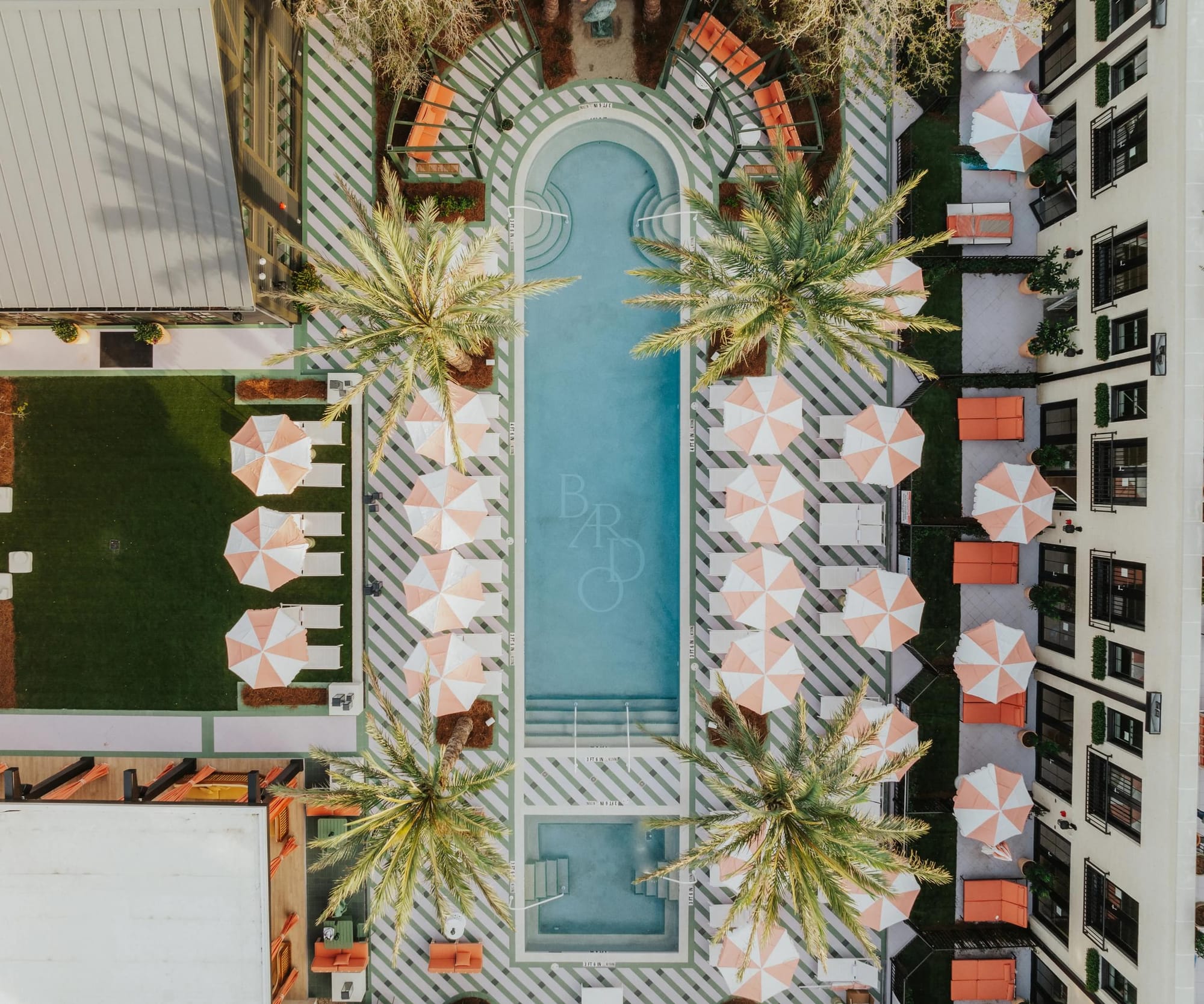
Since the pandemic, many in the real estate industry have pondered the future of obsolete office assets. Left Lane has taken one of the most ambitious approaches to repurposing these assets, converting them into some of the most impressive boutique hotel projects to hit the market in recent years.
In Savannah, Georgia, Left Lane is converting a former office building into a 221-key “lifestyle hotel and clubhouse” complete with a rooftop bar and pool, two floors of event space, and a communal lounge on each floor. And their next project is the full conversion of a 40-story art deco office tower in Pittsburgh, scaling the office-to-hotel model.Left Lane is also innovating on the traditional hospitality development formula. The firm designed its hospitality platform to remain engaged from concept through operation so that the same team deciding where a corridor goes also decides how the building will function on a Saturday night. “The business doesn’t really start until guests arrive,” said Managing Partner Jon Kully in an interview with Thesis Driven last year, arguing that separating construction from operations “breaks the feedback loop” needed for adaptive reuse buildings to work.
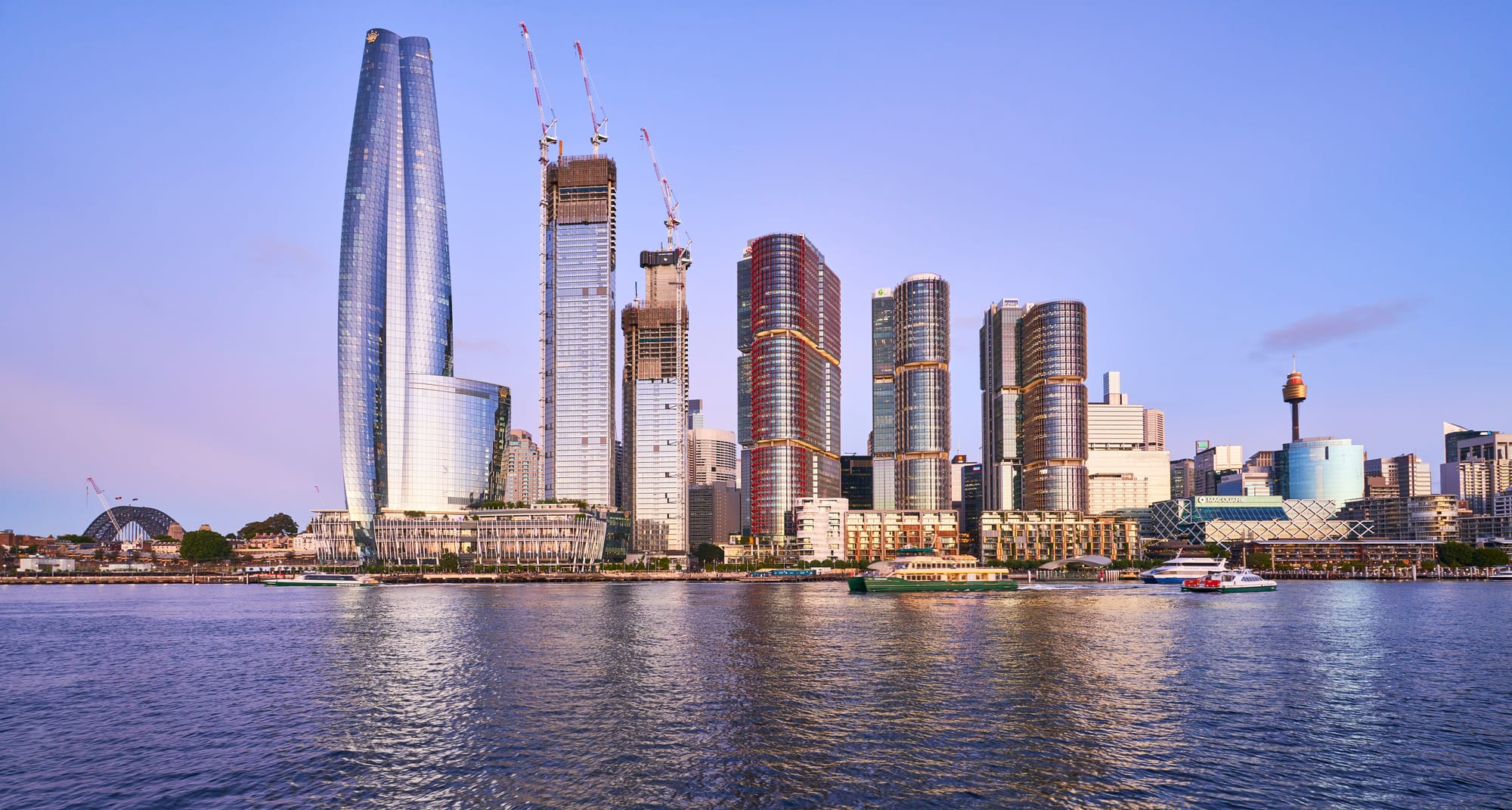
While many developers shy away from the complexity of urban regeneration, Lendlease leans into it with an integrated model that spans investment, construction, and development. Their hallmark is the massive, multi-decade urban district that transforms neglected industrial waterfronts or transit hubs into sustainable neighborhoods.
Through carbon-neutral precincts, such as the multi-billion dollar Barangaroo South in Sydney and the Google-centered Bay Area projects, Lendlease has already set itself apart by prioritizing "green" credentials long before it was a marketing buzzword. Today, they’re testing timber-frame construction at scale and aiming for absolute zero carbon by 2040—staking their reputations as blue-chip developers for an ESG-conscious era.
If Left Lane is unique in its design aspirations for obsolete office assets, Metroloft is notable for its ambition and track record—the company has completed more than 9,300 units and 8 million square feet of office-to-residential conversions to date. Of course, they’ve been doing these conversions since the 1990s and were featured in one of the first ever Thesis Driven letters. They’ve been creative in approaching some of the trickiest conversions, using techniques like carving a lightwell into the center of buildings to solve the “fat floor plate” problem.
Today, the firm has more than 3 million square feet of conversions under development, including transforming midtown Manhattan’s former Pfizer headquarters into 1,600 high-end rental apartments.
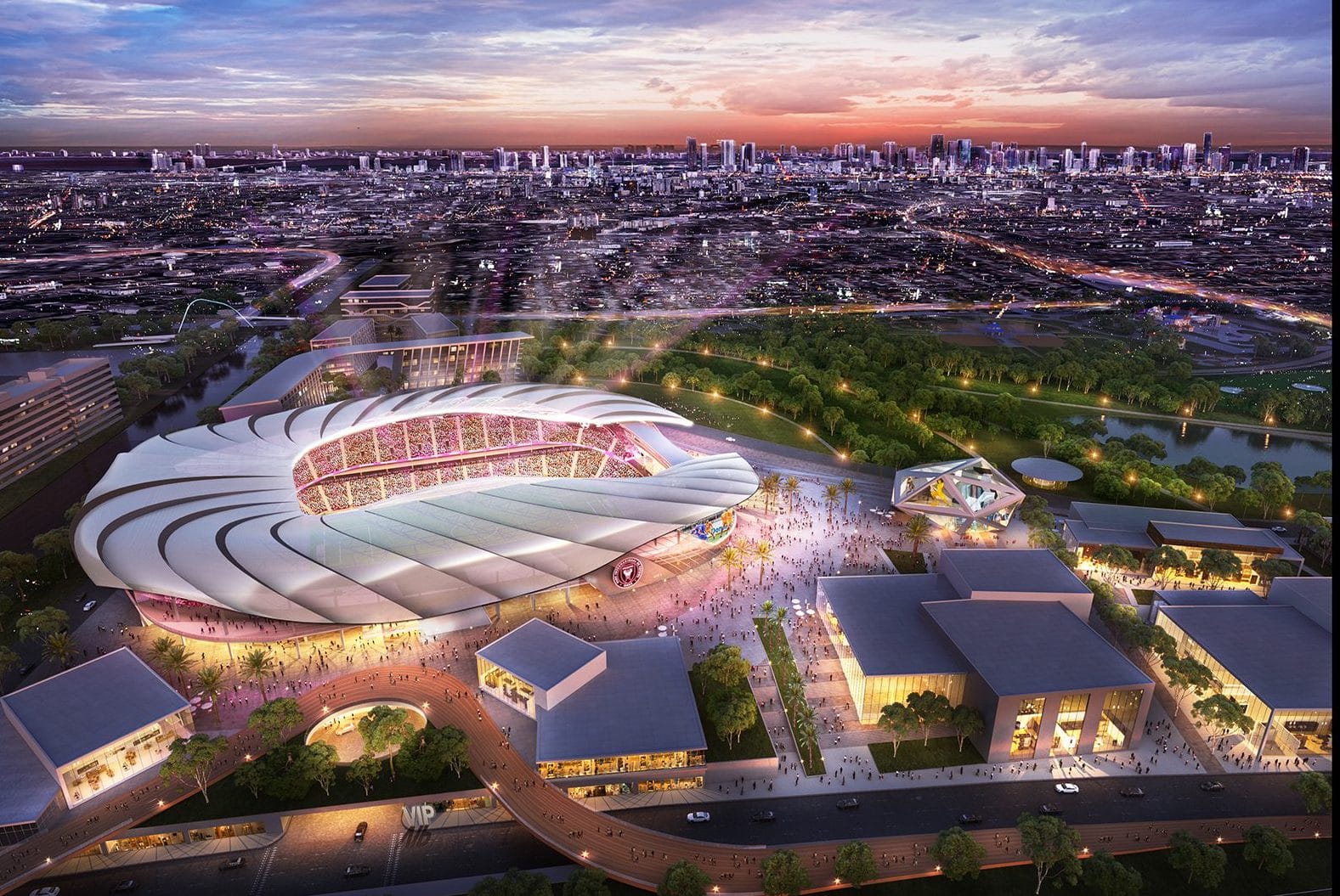
In the US, stadiums are usually where placemaking goes to die: concrete and steel monoliths drawing traffic 2-3 times per week (at most) surrounded by windswept parking lots.
Miami Freedom Park, the development arm of soccer club Inter Miami CF, is aiming to change that by creating a massive mixed-use development anchored by a 58-acre park— once open, it will be Miami’s largest. And they’re bringing in more than 500,000 square feet of retail and hospitality as well as 1 million square feet of office space, enough critical mass to ensure the development isn’t dependent on the occasional game day crowd. Rather than outsourcing all this to a third-party developer, MFP is owned by the same organization that owns the Inter Miami club—ensuring genuine alignment on the success of the project.
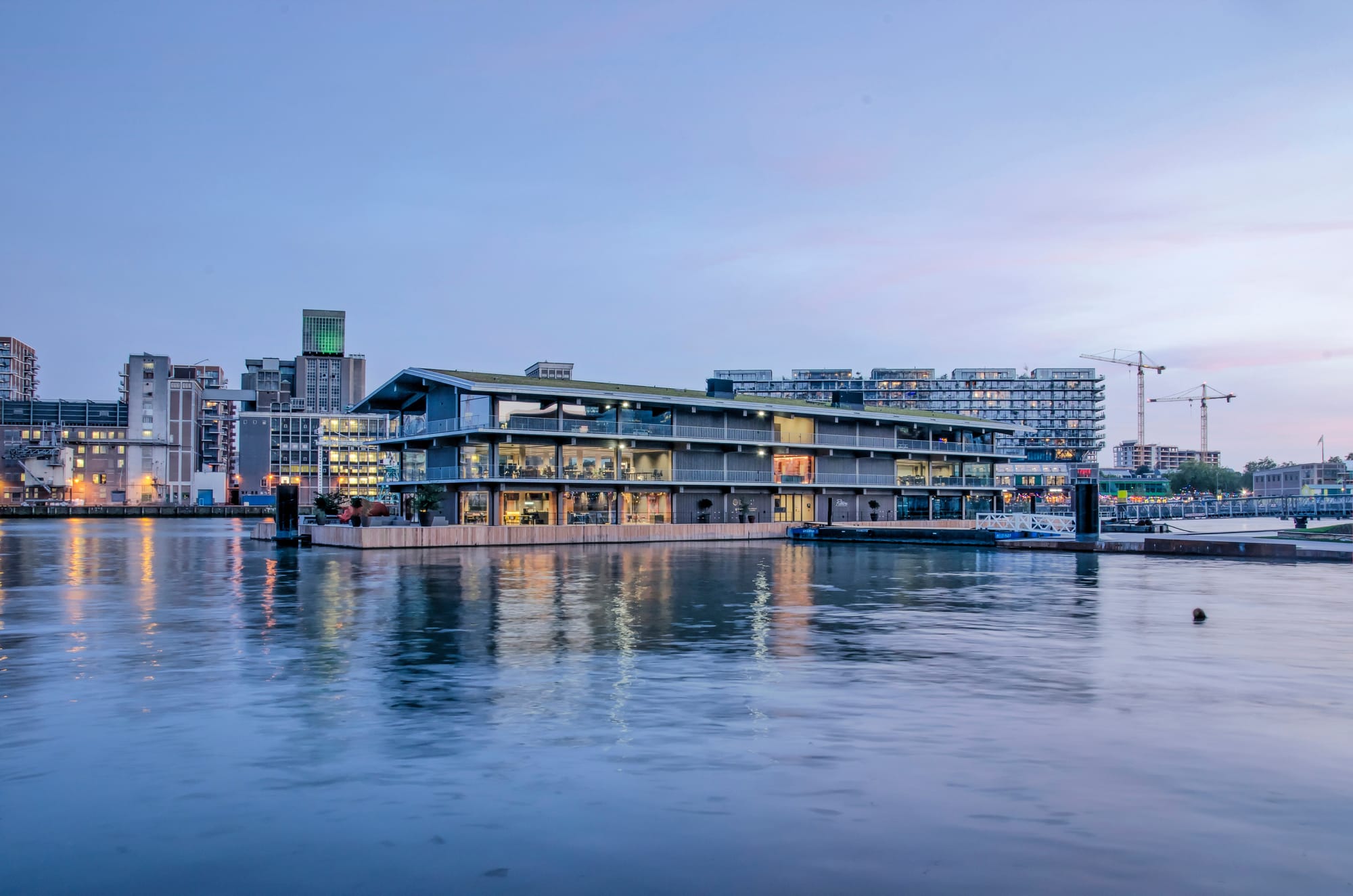
Rotterdam-based RED Company deserves its spot on this list for a single project: the Floating Office Rotterdam, a carbon-neutral, timber building that literally floats on water.
A floating office property, which rests on 15 concrete barges in the Rijnhaven, a former industrial harbour on the Maas River, is innovative from a design perspective alone, but it’s the synthesis of form, function, and sustainability that makes the property a remarkable achievement. Constructed out of timber, in order to be light enough to float and to minimize its carbon footprint, the property achieves carbon neutrality through a roof filled with solar panels and by harnessing the water upon which it resides to support a passive cooling and heating system. Powerhouse were the architects on the project.
The building is intended to be fully recyclable: The property is composed of prefabricated frames that were screwed together on site, which will allow them to be disassembled and recycled in the future.
Skanska understands how to manufacture while simultaneously developing through technical precision. Known for their "Project Development" arm, they often act as their own contractor, allowing them to push the envelope on high-performance, zero-emissions office buildings like the "Powerhouse" series in Europe.
Skanska’s brand is built on "Deep Green" initiatives, and they were early adopters of the Living Building Challenge, where office spaces generate more energy than they consume over their lifetimes. Having placed lifecycle tracking at the heart of their proposition, they’ve created significant low-risk, high-quality institutional assets that have earned them a reputation for being a “trusted adult” in the sector.
Tishman Speyer is one of the most recognized trophy hunters of the real estate world, with iconic assets such as the Rockefeller Center and the Chrysler Building in its portfolio. While the assets themselves may scream “legacy,” Tishman Speyer’s commitment to modern innovation and early adoption of proptech, such as their "Zo" and "Studio" platforms, have helped them successfully elevate the flexible-working tenant experience to new levels.
By integrating coworking and lifestyle services directly into their premium portfolio, they’ve also SaaS-ified the office building. Experience curation remains at the heart of their proposition, ensuring that even a nearly century-old skyscraper feels as agile and amenity-rich as a modern startup hub.
Trilith is building a new kind of walkable development across almost 1,000 acres of Georgia piney woods south of Atlanta. But the unique thing about Trilith isn’t just its layout, it's the project’s economic anchor: 18 film and TV production studios supporting the state’s burgeoning entertainment sector.
While walkable, new urbanist master planned communities are not exactly new, Trilith’s version of a “company town for creatives” is the first of its kind. The project recently received a major endorsement from U.S. Soccer, which picked the community for its new $1 billion training center. And celebrity sightings are becoming increasingly common at Trilith, a place far removed from the usual paparazzi stomping grounds.
Finding new ways to serve previously-ignored segments is perhaps the best kind of innovation. Urban Pacific is doing exactly that with their urban townhome product designed specifically for working-class multigenerational families, many of them immigrants with several working members of a household contributing income to support the family.
Urban Pacific’s model has seen success in California, with more than 500 units of multigenerational housing delivered over the past five years. In many cases, Choppin’s townhomes are setting high-water marks for rents in neighborhoods previously considered too working-class for high-end multifamily development.
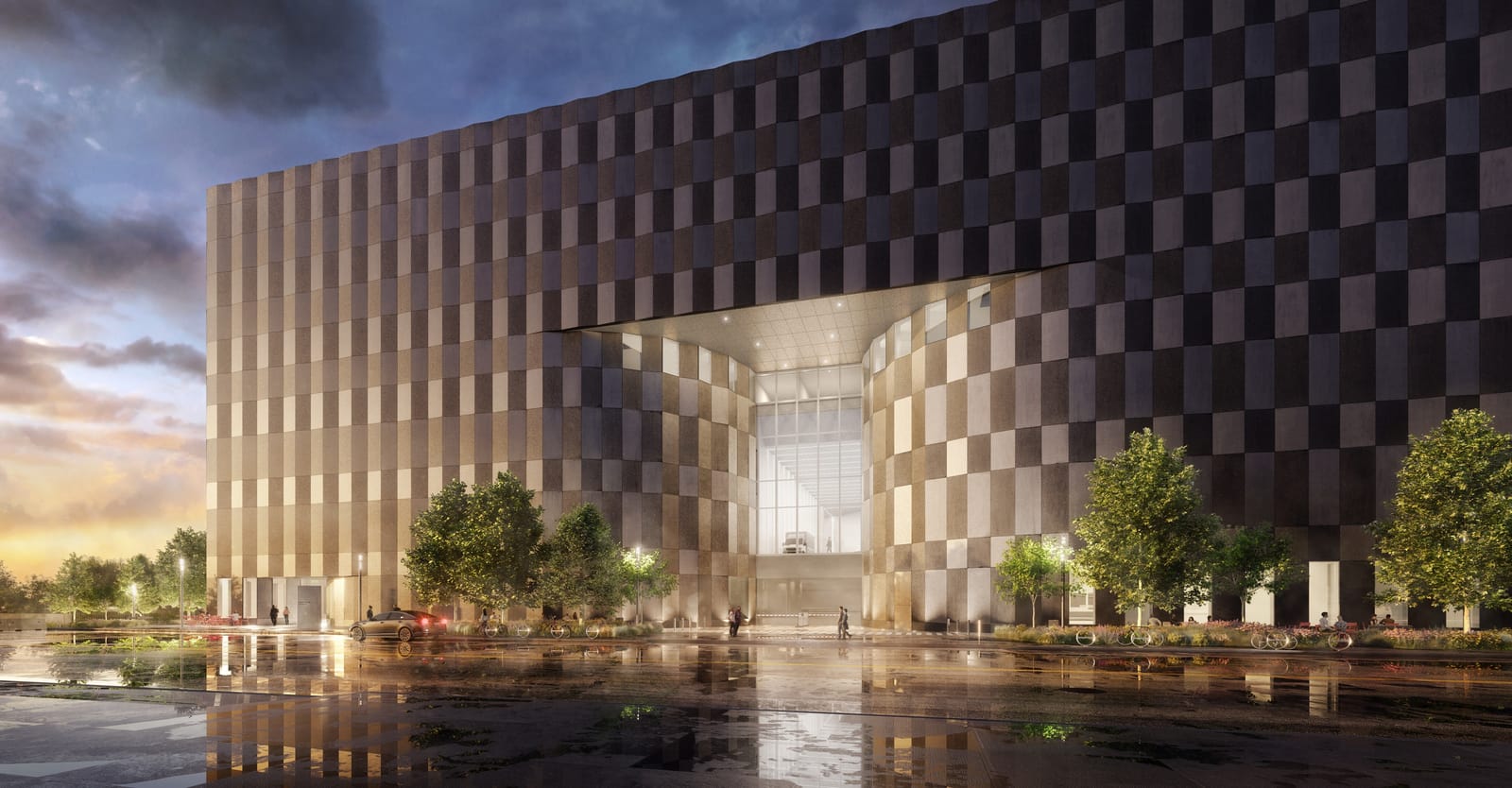
Few boutique developers have been as diverse and innovative in their focus as NYC’s Wildflower, which has built everything from ultra-luxury residential to e-commerce warehouses to NYC’s largest sound stage development, Wildflower Studios, which was co-developed with legendary actor Robert De Niro.
Today, Wildflower is embarking on their latest quest: to solve NYC’s EV charging problem. As a city of renters and apartments, New York presents a unique challenge for EV charging—and adoption. So Wildflower has taken the lead on installing stations throughout the five boroughs, another asset class in the company’s menagerie of projects.

How Angeleno is structuring deals and executing projects in a market where affordable housing is notoriously difficult to build


What marketing and leasing audits reveal about multifamily's hidden performance problem


Backing both the real estate and the operating businesses of middle-market real estate companies
Covering the future of real estate and the people creating it
