
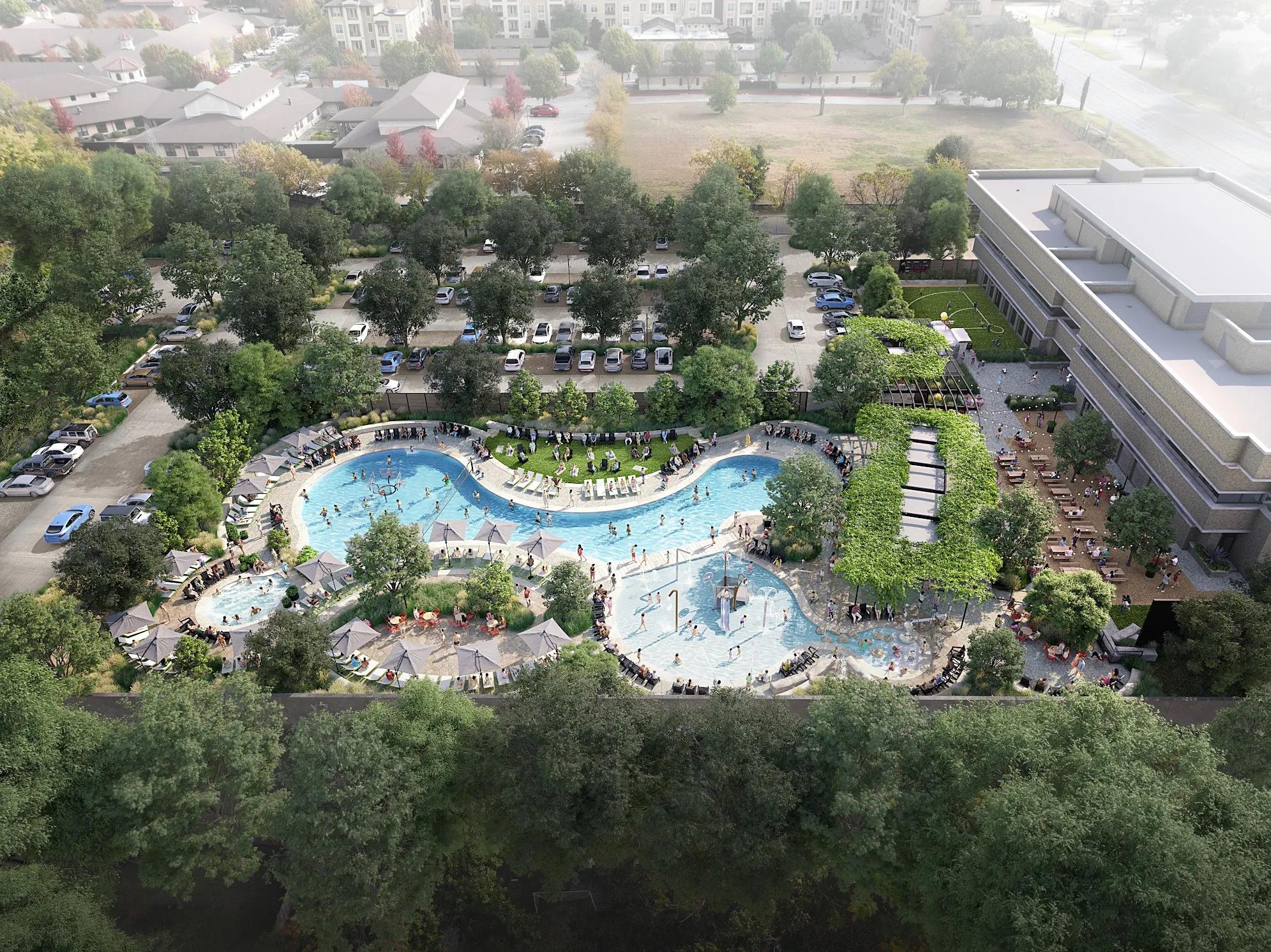
Converting Distressed Offices to Families-Only Social Clubs
A look at the creation of a families-only Dallas country club from a new generation of hospitality developers
Interview
Key Takeaways
Clear market gap with validated demand
Stonethrow targets families priced out of traditional country clubs, addressing a large, underserved segment; early demand has materially exceeded expectations with 1,000+ applications and 600+ families vetted, approved and paid initiation fees well ahead of opening.
Low-basis, adaptive reuse development
The project repurposes a 50,000 SF mid-century office building on 3.65 acres, acquired at a ~$12/SF basis, enabling cost control, faster execution, and delivery of a high-amenity club without ground-up construction risk.
Attractive yield profile driven by design and pricing discipline
The combination of low entry basis, membership-led revenues, and operational efficiency supports a projected ~20%+ unlevered yield on cost at stabilization, uncommon for a suburban adaptive reuse hospitality asset.
Institutional capital structure with secured financing
The project is capitalized with a $24.1M senior loan from First United Bank alongside equity, providing construction certainty and third-party validation of underwriting assumptions.
Recurring-revenue operating platform with experienced sponsors
Led by the founders of Common Desk, the team applies a proven playbook of value-engineered buildouts, disciplined cost structures, and community-driven brand building to a membership-based club model designed for repeatability and long-term, national scalability.
The Team
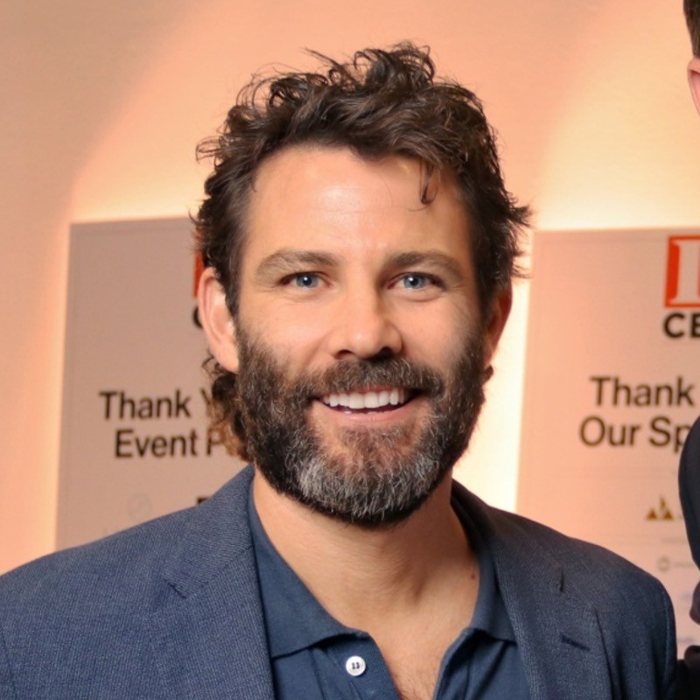

Nick Clark and Dawson Williams are the co-founders of Roster Family Clubs and the creators of Stonethrow. Prior to Roster, they founded Common Desk, a Dallas-based coworking platform they bootstrapped from inception to 23 locations across 13 cities before exiting the business to WeWork in 2022. Known for value-engineered buildouts, disciplined unit economics, and an unmatched team culture of southern hospitality, the team brings a repeatable operating playbook to the families-only club category, combining real estate execution with hospitality-grade operations and scalable platform thinking.